The application or business problem
Does this solve our problem? Show where the product or service fits, the alternatives buyers compare, and the requirements or limitations that could rule it out.
B2B & Technical Companies
Technical buyers often compare options, check requirements, and involve several people before contacting a supplier. Your website needs to help them understand the application, examine the evidence, and carry a useful explanation into the next conversation.
Let’s talk about your businessSee where we start
How your customers choose
For businesses large and small.
For manufacturers, commercial suppliers, equipment businesses, software companies, and technical service providers. The fit depends on your priority offering, access to subject experts, and a team ready to follow up with buyers, whether that team is small or spans several departments.
Understand the decision
We begin with your offering and the conversations your sales team already has. Different people may evaluate suitability, implementation, and cost; the content needs to help them move the same decision forward.
Does this solve our problem? Show where the product or service fits, the alternatives buyers compare, and the requirements or limitations that could rule it out.
What can we verify? Identify relevant testing, specifications, certifications, examples, or track-record material your team can substantiate and approve.
What does your team need for a quote, and what must a buyer share internally? Clarify application, timing, location, and other essential information without making the first inquiry feel like a full procurement exercise.
Turn expertise into useful information
A product catalog or a technically accurate paragraph may still leave the decision unfinished. We help turn subject expertise into a useful reading path.
Group recurring sales questions into product or service explanations, applications, comparisons, and purchasing considerations. Give each page a clear job instead of spreading the same general introduction everywhere.
Connect relevant specifications, documents, examples, and limitations to the explanation they support. Your designated experts approve technical facts, certification language, and specialist claims before publication.
A buyer may forward a page to engineering, operations, or purchasing. Clear headings, direct links, and an understandable quote path help the next person evaluate the same offering with the context intact.
Client work / Advanced Security Technologies
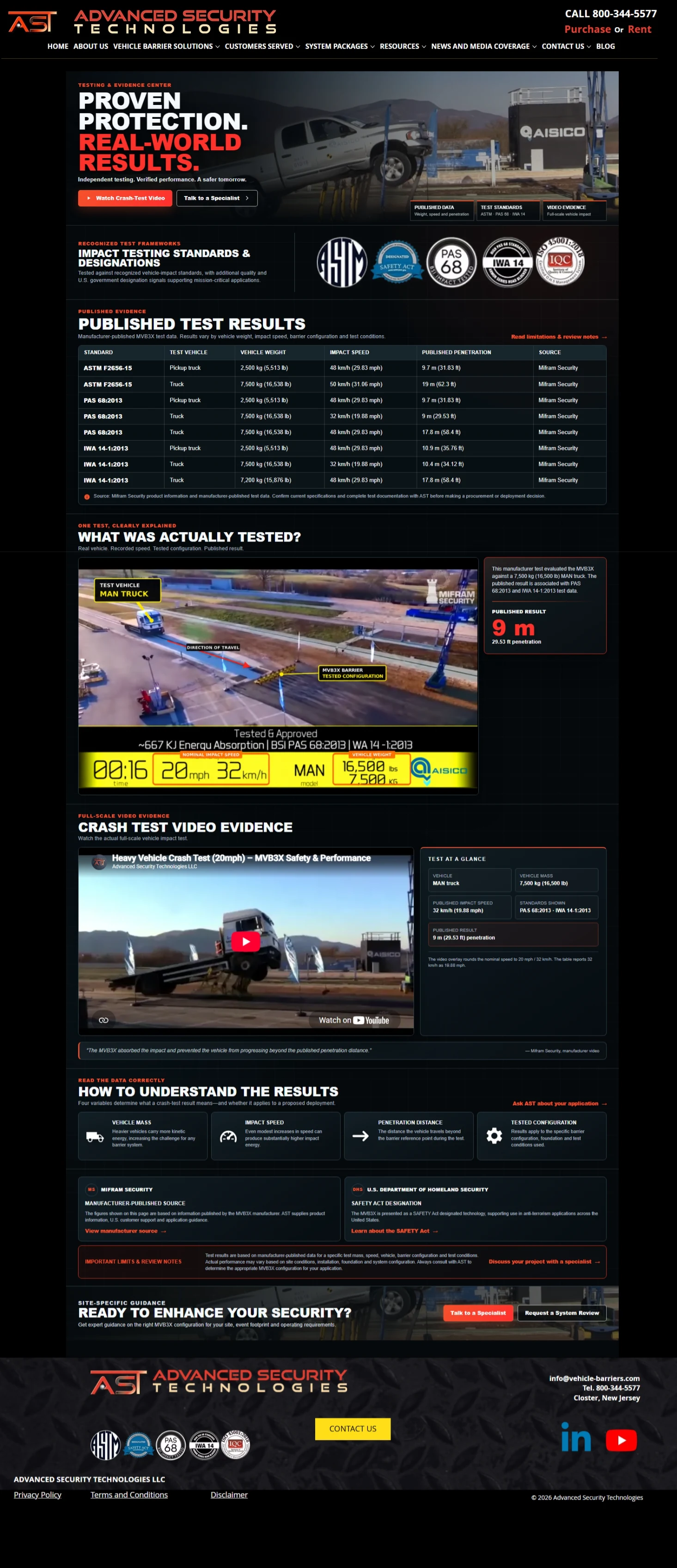
AST wanted to understand how buyers discovered its vehicle barriers during AI-assisted research. RID connected a defined question set with content planning and an initial build on the existing Wix website.
RID developed a 25-question benchmark with AST’s input. The September 14, 2026 baseline found AST in one tracked question, identifying a gap within that defined research scope.
AST approved a six-page roadmap on September 15. It connected applications, purchasing questions, and testing evidence on the company’s existing Wix website.
The first MVB3X Testing & Evidence Center was delivered on September 16 for technical review. Follow-up measurement using the same questions was planned; the case does not report a later visibility lift.
Read the AST caseSupporting example / SoftRoad America
RID worked with SoftRoad’s subject experts to turn specialist modernization content into HTML landing pages, with client review of the wording, layout, and technical details.
A COBOL-to-Java landing page approved and ready for publication, plus a related RPG / IBM i page delivered for review using the same structure with service-specific messaging. RID developed these specialist landing pages within the existing site. The proposed post-publication conversion comparison remained a next step.
Explore the SoftRoad delivery recordHow the work comes together
Commercial relevance guides the plan. We look at the questions that indicate a potential fit and the information needed to move from research to an opportunity.
Use a defined set of discovery and evaluation questions to examine AI-assisted visibility and identify missing explanations. A consistent research scope gives content planning and later comparisons a practical basis.
Explore GEO research and measurementMake priority offerings understandable and accessible through relevant pages, internal links, and technical search foundations. A niche audience calls for useful commercial topics and realistic demand expectations.
Explore SEO and technical site workOrganize specialist content and supporting evidence, improve existing pages where possible, and ask for the details your team needs to start a quote. Agree on what happens after submission and who owns the response.
Explore technical content and website developmentFocus messages on the offering and application, then give the click a page that answers the buying questions. Review irrelevant searches and poor-fit inquiries with sales before deciding whether to expand the campaign.
Explore advertising scope and current feesWorking together
RID organizes, writes, and implements the agreed marketing work with your team. You supply source material and a subject expert who can approve facts, specifications, and claims. Your sales team handles inquiries and shares feedback; RID does not independently certify products or create evidence that your business does not have.
Before starting, we agree on the work, fees, access, approvals, and how progress will be reviewed. The linked service pages explain the current scope and commercial information.
Search visibility and inquiry quality can be reviewed before a sale closes. Connecting those inquiries with qualified opportunities, proposals, and closed business requires sales feedback and available CRM records. We agree on the stages and assess the information we can verify, including where attribution remains incomplete.
Before we begin
It can, when a small number of relevant opportunities has meaningful value. We consider buyer questions, commercial fit, and your ability to serve the demand. The plan should reflect the size and complexity of the market rather than rely on a large traffic target.
Your team supplies the source material and identifies an expert to approve specifications, standards, certifications, and specialist claims. RID helps organize and explain that information and implements the agreed pages. Missing evidence needs to be resolved with your team.
Yes. AST’s initial resource build used its existing Wix website, and the SoftRoad engagement included focused landing-page work. We assess your platform, structure, and access before agreeing on what to change.
Use defined discovery questions, relevant search visits, inquiry quality, and sales feedback as appropriate to the scope. Later opportunity and revenue reporting depends on available CRM or sales records. A new page or an inquiry alone does not demonstrate a closed sale.
Bring your website, priority products or services, recurring buyer questions, existing technical material, and examples of useful and poor-fit inquiries. Identify who can approve the subject matter and who can share sales feedback.
Your next conversation
Show us your priority offering, the questions that slow a decision, and an example of a useful inquiry. We’ll work out where clearer information and better discovery can support your sales team.
Remote work with businesses around the world.
On-site availability in Pennsylvania.